Saturday, June 14, 2014

Pemaquid Point
So I’ve officially arrived in Walpole, ME and settled in! Its been a busy, exciting, and already educational week for me here in the most northern state in the country. Starting with my college graduation last Sunday from Williams College, to the start of my first scientific diver check-out dives for UMaine I’ve had a productive week.
After my graduation this past weekend I drove first to Portland, where I stayed overnight in order to purchase my first 7mm wetsuit from Aqua Diving scuba shop on Commercial Street. They kindly walked me through every stage of the purchasing process, from trying on on over 5 different suits, to explaining to me the differences between fin shapes and uses. I ended up leaving the store with a full body teal and black ⅞, hood, gloves, and booties, as well as new fins – which were a huge upgrade from my previous pair, made mostly for snorkeling in warm water. Of course I also purchased “Marine Life of The North Atlantic: Canada to Cape May” so that I start learning more about the benthic system up north. After this I drove the remaining hour and twenty to the lab in Walpole and settled in for the week.
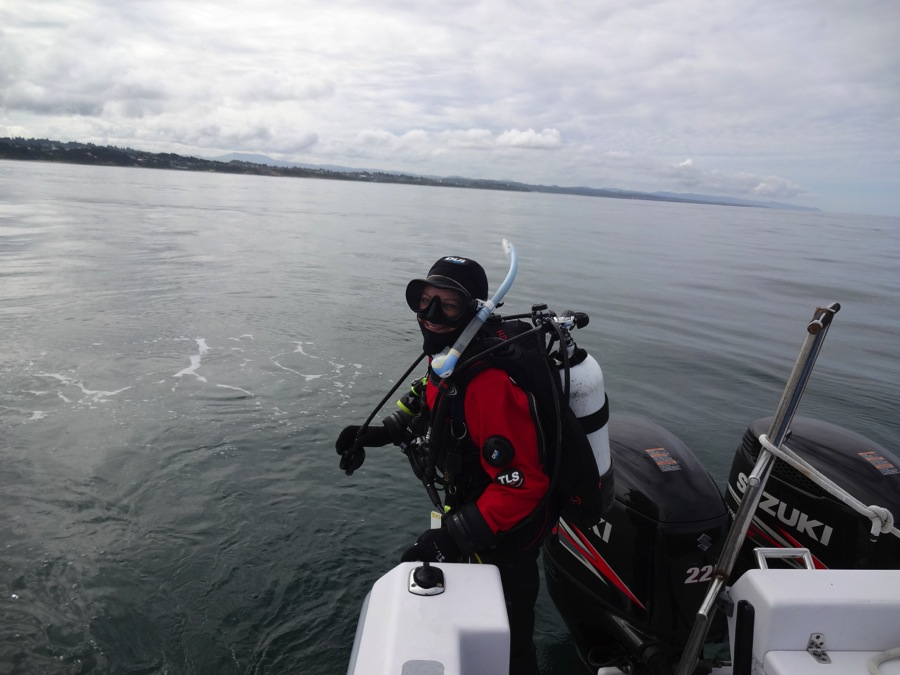
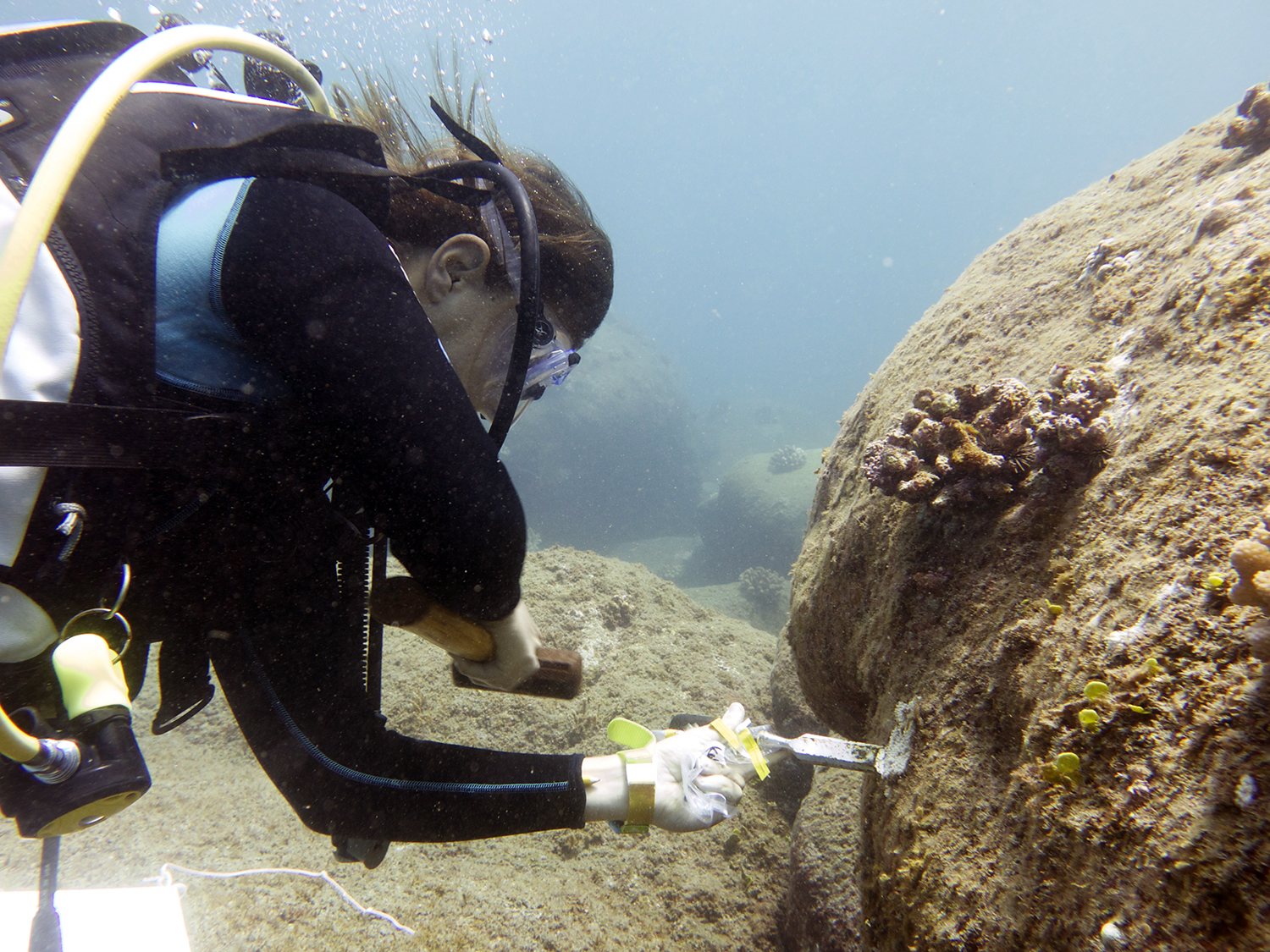
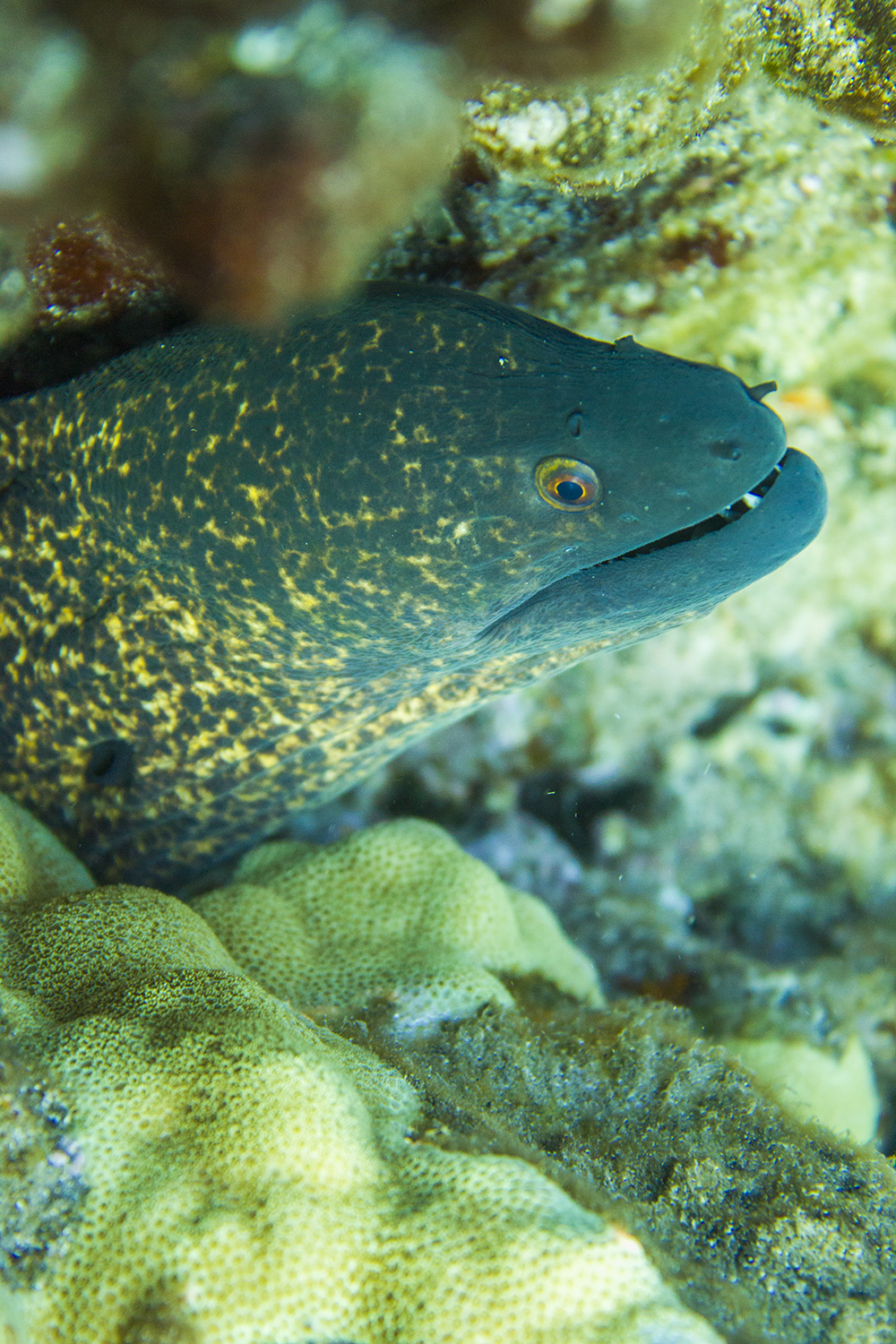
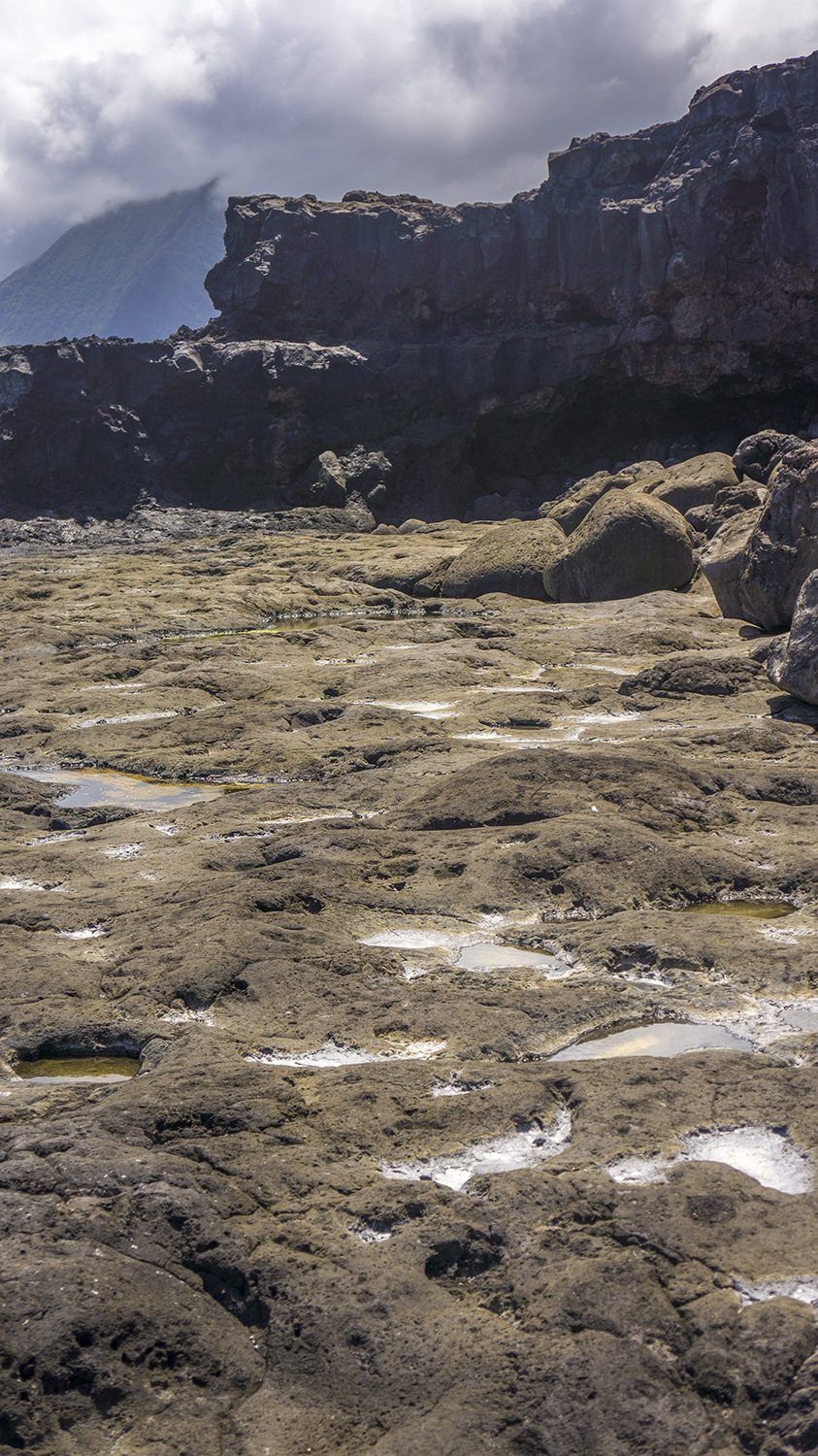
My first few days at the Darling Marine Center have already been fun and fruitful. On Wednesday Chris Rigaud, my supervisor and the DSO here, led a check-out dive off of the dock at the DMC, practicing common skills: mask removal, 400m swim, and buddy breathing. It was also the first dive I’ve had in about five months, and my first dive with all my new gear – proving to be a good chance to sort out any new kinks. In the afternoon we finished the dive day with at Pemaquid Point, with great visibility and the most sea stars I have ever seen on a dive. We also saw an 8lb lobster, moon jellies, a branching cucumber, and various fish I’m still working on identifying. The entrance to the dive was one of the more challenging I’ve ever experienced; we carried our gear down a smallish goat path and walked fully geared over most of the intertidal zone. But having completed the walk, and knowing now how incredible the dive and the visibility was at the already beautiful lighthouse location, it was absolutely worth it! Plus, it gives me reason to be better prepared for other challenging entrances in the future.
One of the things I want to focus on this summer is really honing my dive skills. I know that I am a confident diver, and usually fully aware of myself in the water, but I’ve heard from too many divemasters that if you don’t practice your skill you can lose the factors you thought you had mastered. Buoyancy control and navigation are two skills that I know as a recreational diver and a scientific diver are invaluable. Hopefully through the many dives I’ll complete here I’ll improve throughout the summer! I’ve also begun the Dan Pro Diver First Aid course which so far is a great supplement to my PADI first aid course and I’m learning a lot about teaching from Chris. Next week is a Rescue diver review that I’m already looking forward to.
On the science side of things I’ve attended a few meetings with Dr. Rick Wahle, the head of the lab that I’m working for here at the DMC. The lab’s main focus is lobster and scallop fisheries science, including growth and age determination. I’m really excited about the projects and the kinds of population studies done by the lab, and I’m hoping to begin my own research on some function of the project. I haven’t yet figured out the area that I’m most interested in, but I’m sure as I continue to be exposed to the various experiments they’re already conducting I will be inspired to think of my own area of study.
So far amazing up here in Maine,
I’m excited to start my dry suit training later in the summer, amazingly provided by USiA. I’m hoping this summer to finish my AAUS certification, start Divemaster, and generally learn a lot about science diving and research here at this amazing lab!
Katy Newcomer

Bike exploration.



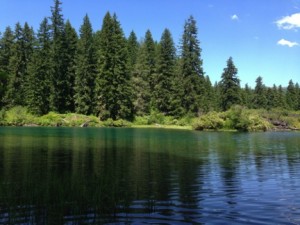
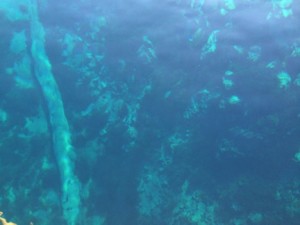
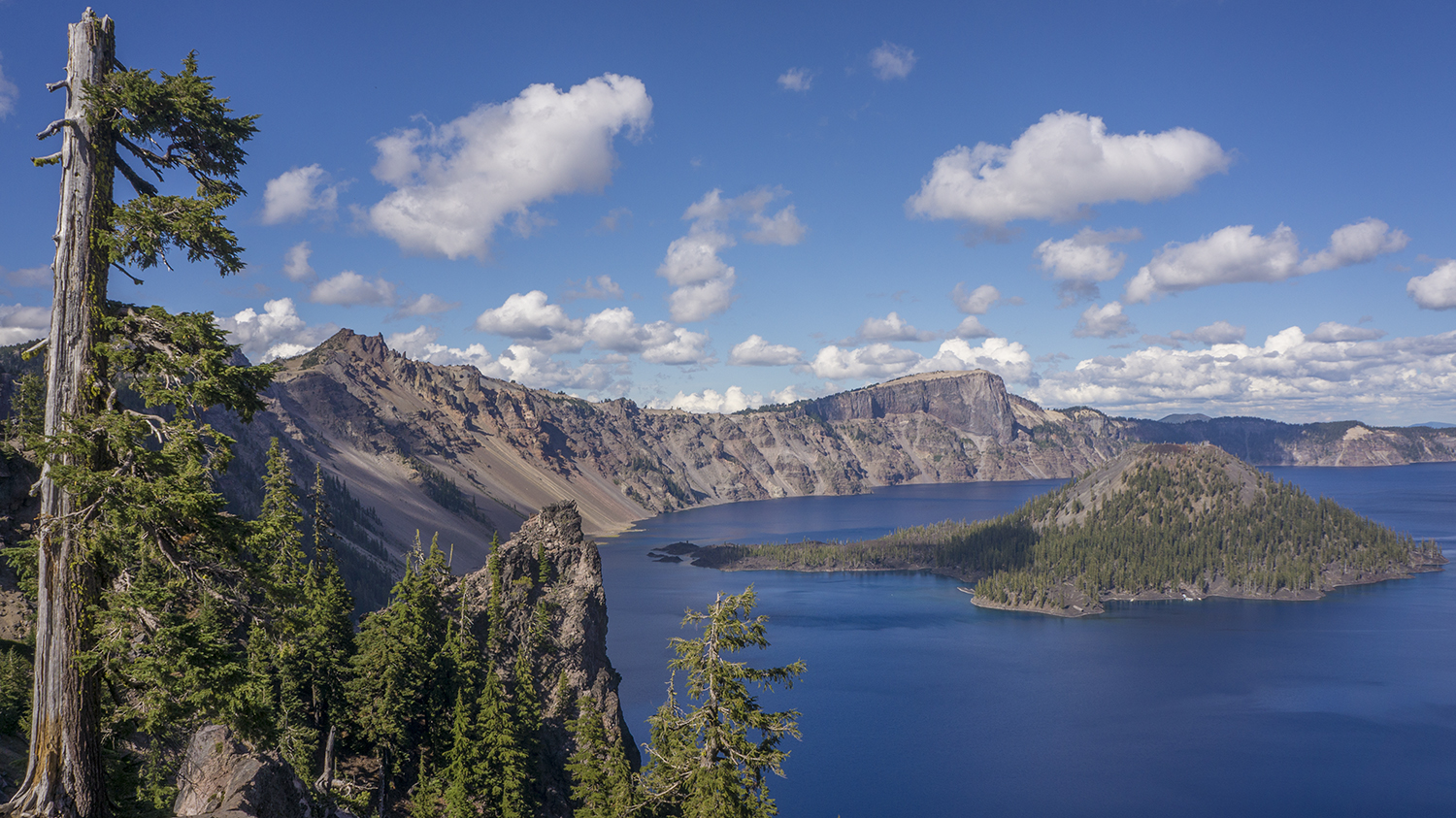
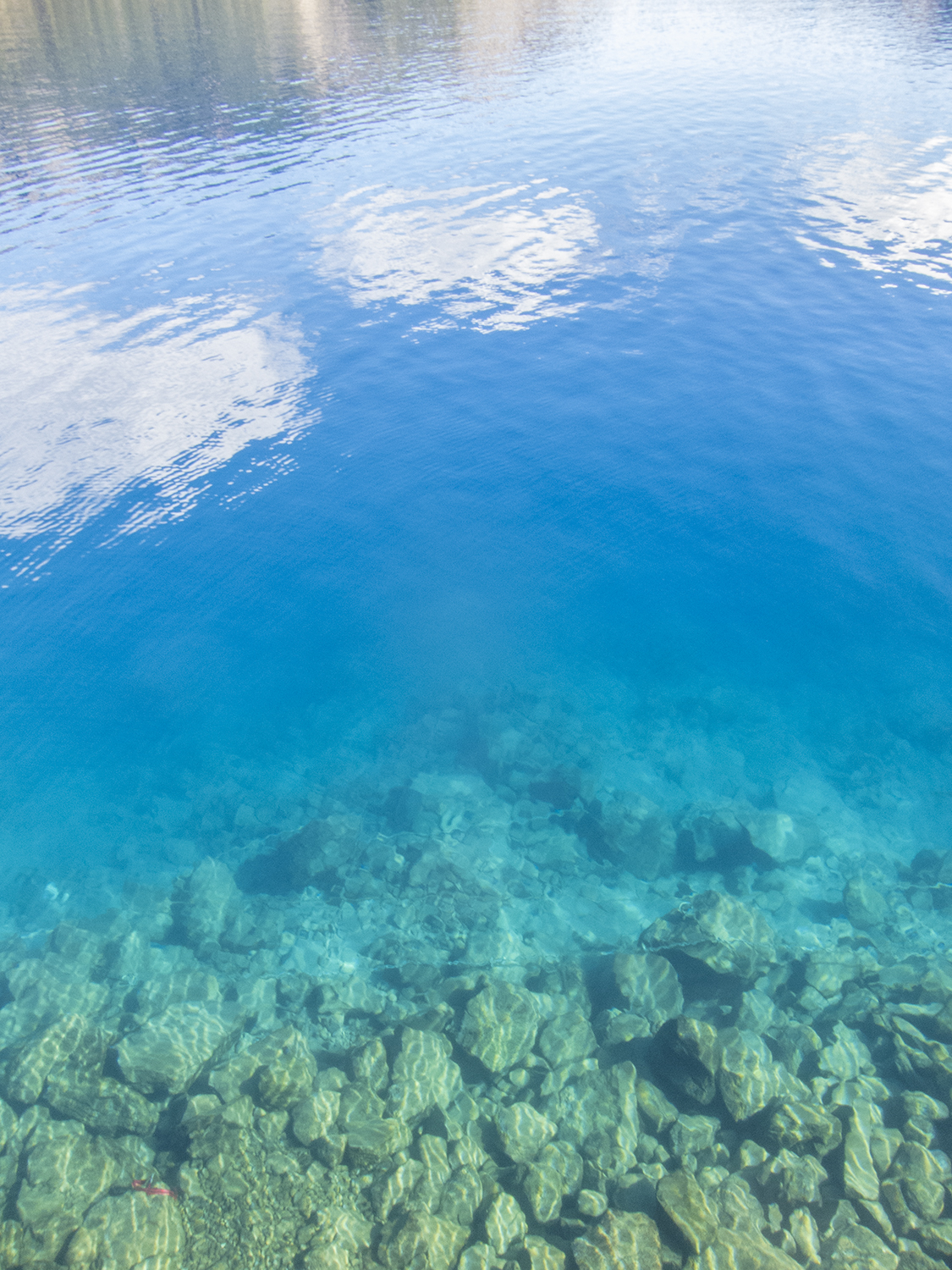
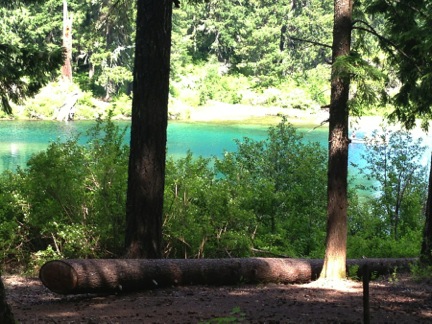
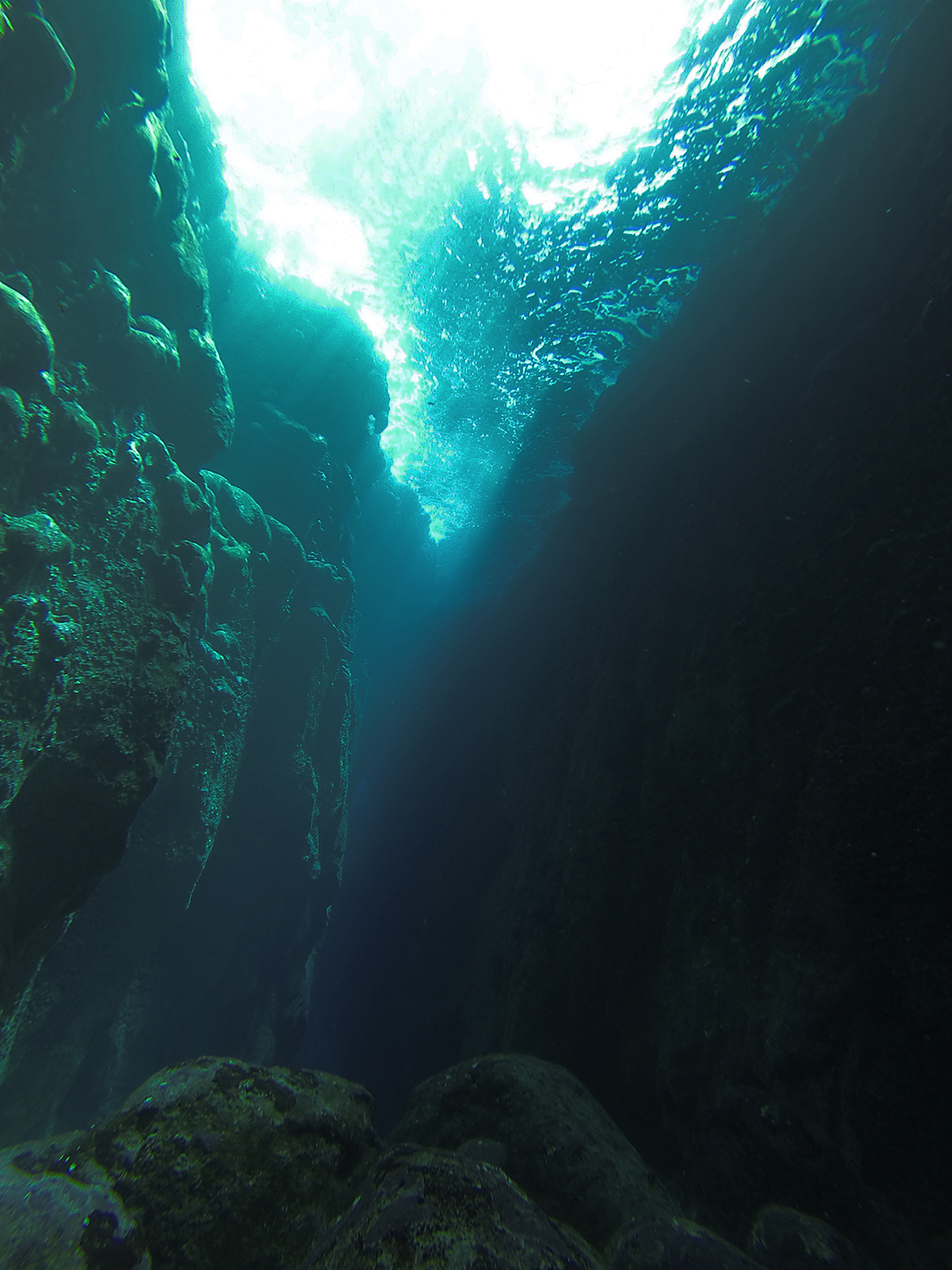
 We entered the water on the western bank, and made our way towards the center of the lake where the depth increases to about 45ft. As soon as we hit deeper waters I immediately wished I had an underwater camera; the crystal clear water reminded me of the tropics, minus the warm water and bustling coral reefs.
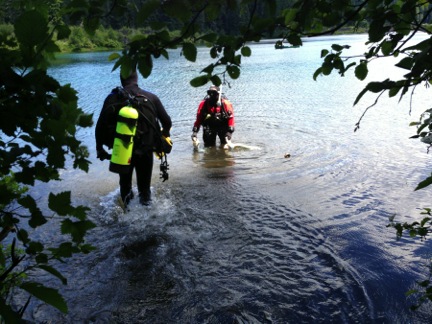
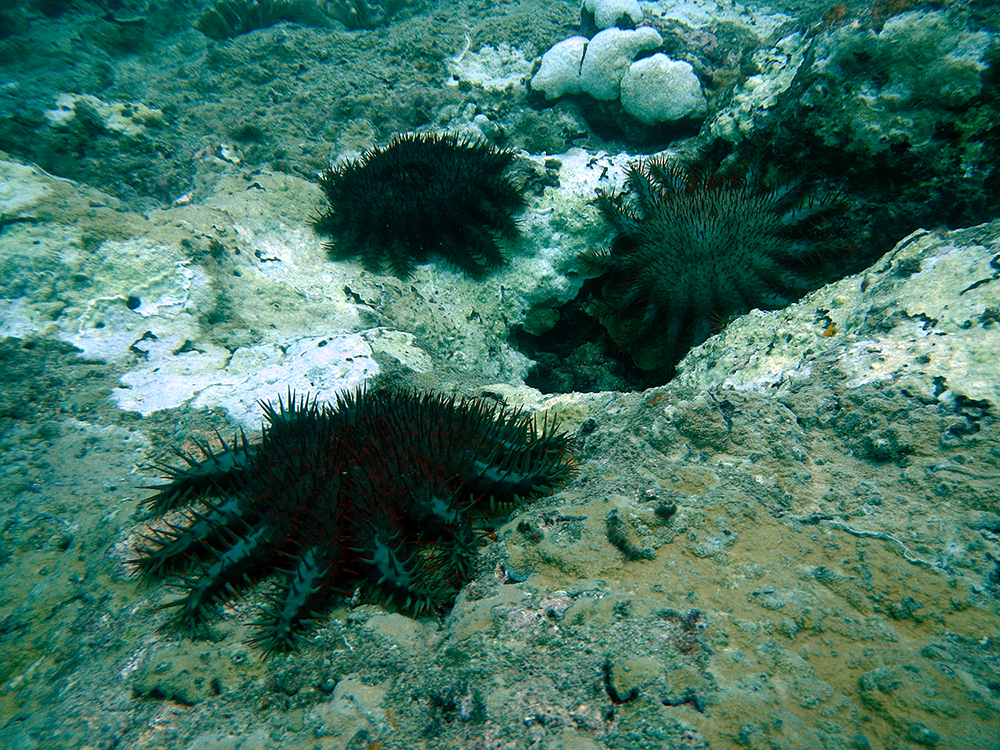
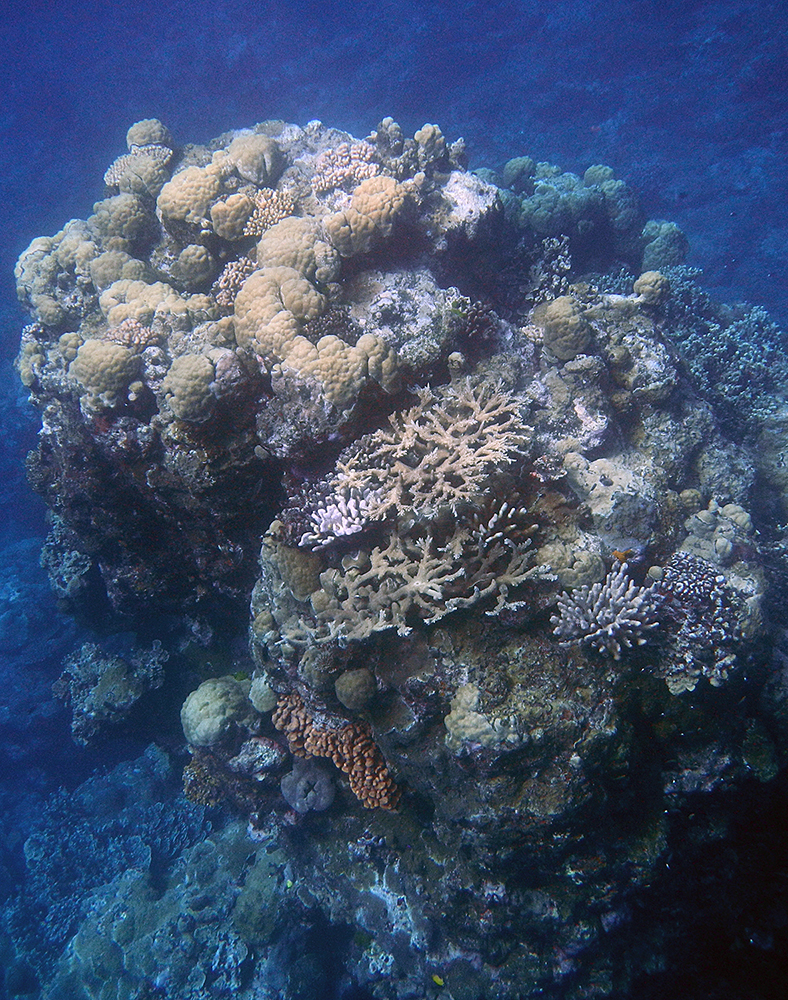
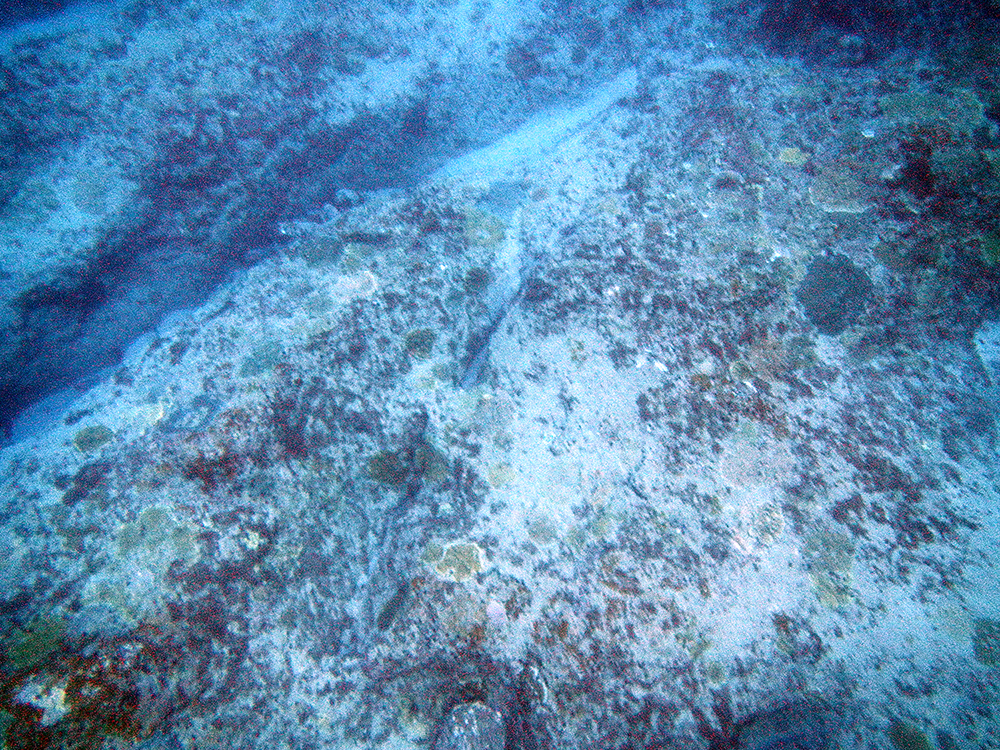





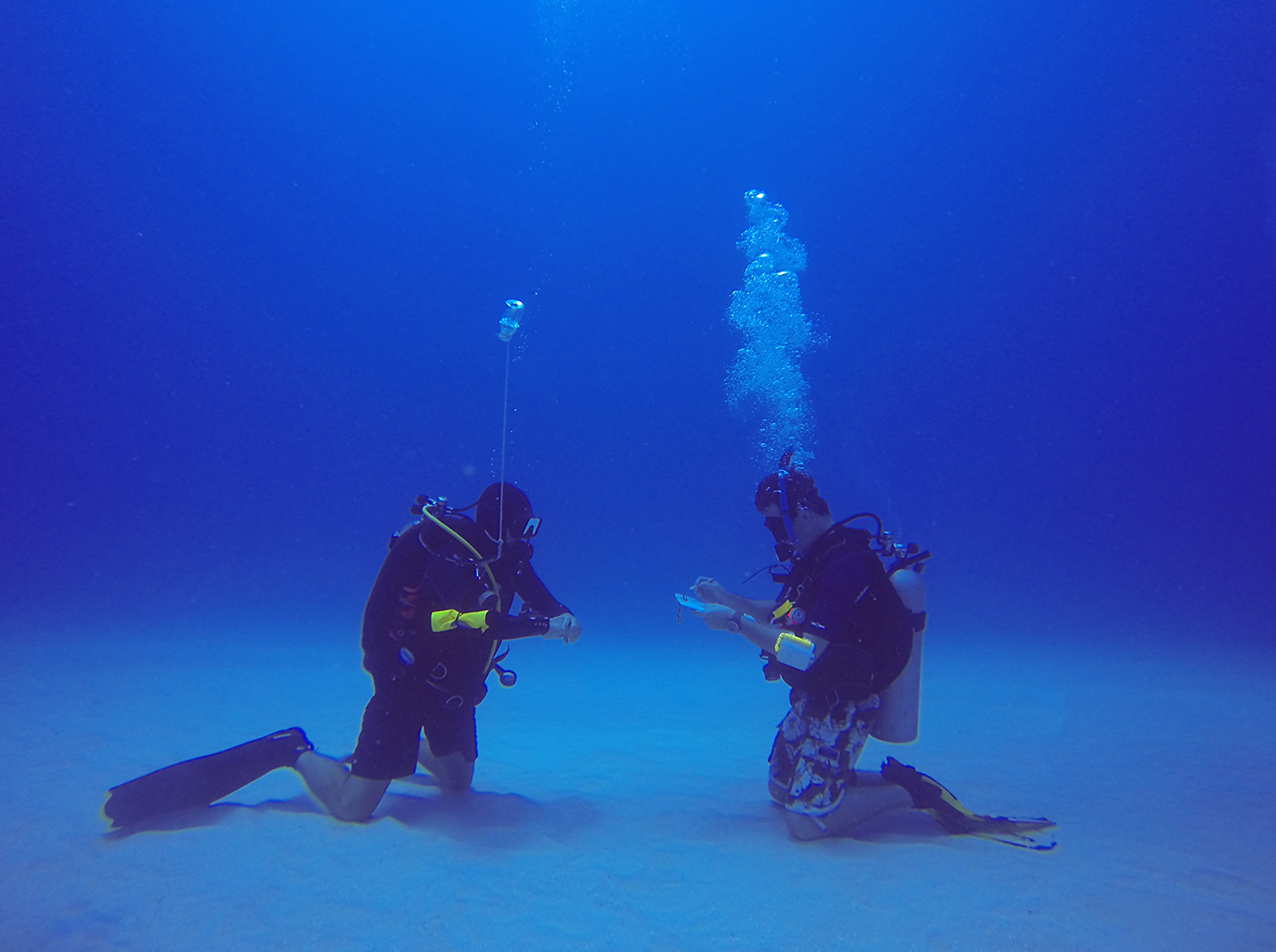

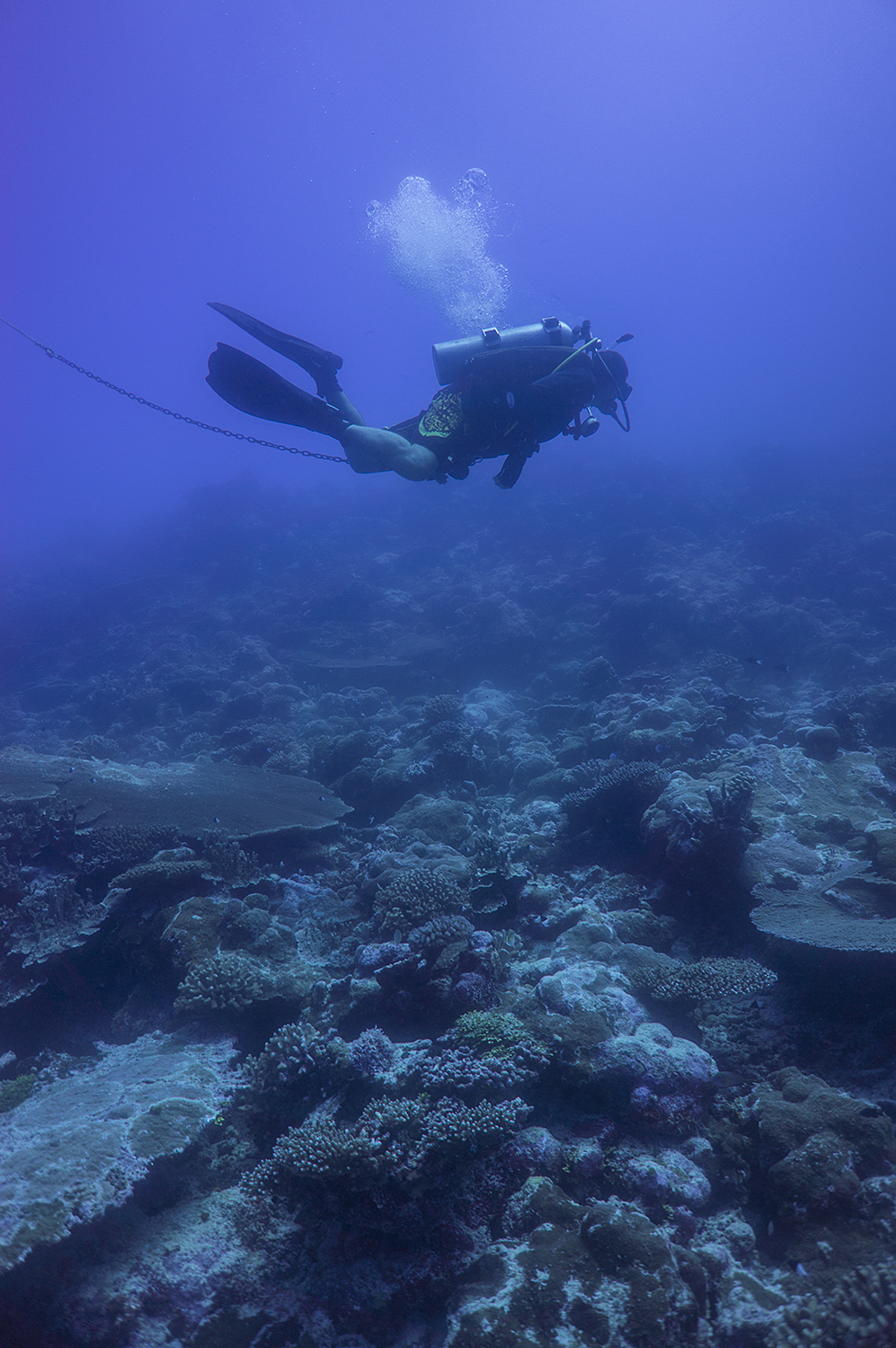


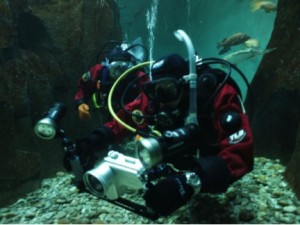
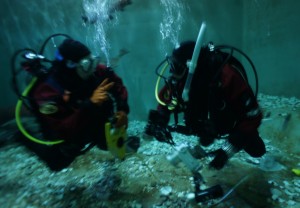
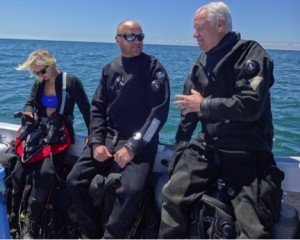
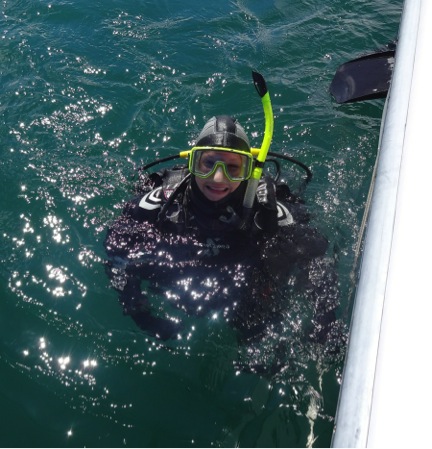
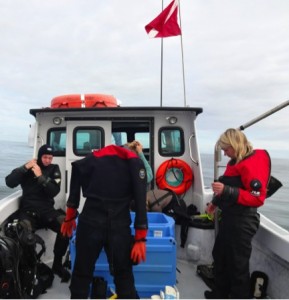 A few days later it was time to try out our new skills in open water. Jim, Vallorie, myself and four other AAUS Scientific Divers set out on Gracie Lynn for North Reef, which was selected as one of the survey sites for the rockfish project. The first buddy team went down to place the block that we would start the survey from. Once they had it in place, they signaled their location by deploying a surface marker buoy, which cued Vallorie and I to get inthe water. We descended along the anchor line and pointed our compasses towards the heading we had taken on the surface. The visibility was only about 5 ft. but within a few minutes we were able to locate the other buddy pair waiting by the block. I clipped the transect tape to the block and we swam south along the wall to conduct the survey. Visibility was poor and the current made it a challenge to remain in proper positioning with Vallorie, but we made it to 50 meters, at which point I signaled to Vallorie that it was time to turn around. On the way back towards the block, the camera housing started beeping, signaling that a leak was detected. We quickly got back to the marker buoy and ascended to care for the camera. Once on board we washed the housing with fresh water and carefully took it apart. This should be the first step any time you suspect a leak in your underwater camera housing. We then placed the camera in a zip lock bag with desiccant pellets in hopes that it would dry out before any damage was done. We were unable to use the camera the rest of the day, but luckily this was just a training day and it was not critical that we collect data. We spent the rest of the dives working on skills such as navigation, setting up transects, and deploying surface marker buoys, and also had the chance to collect invertebrates for the aquarium. Although some may consider the low visibility, high surge water to be less than ideal diving conditions, I feel that the difficult working conditions enhance training dives. If you can successfully handle equipment and manage task loading in these conditions, you will be much better prepared for future dives no matter where they are!